The Strategic Value of Kawaii Aesthetics in Educational Design: Integrating the Kawaii School Alarm Clock Sticker
In the contemporary landscape of digital content creation, educational resource development, and personal productivity planning, visual communication has evolved beyond mere decoration. It now serves as a critical tool for engagement, cognitive ease, and behavioral reinforcement. Among the myriad of design assets available to professionals, educators, and entrepreneurs, niche aesthetic elements like the Kawaii School Alarm Clock Sticker have emerged as surprisingly powerful instruments in the creator’s toolkit. This article explores how seemingly simple graphic assets contribute to broader trends in user experience (UX), gamification, and accessible education, offering practical insights for those looking to enhance their projects.
Redefining Engagement Through Visual Psychology
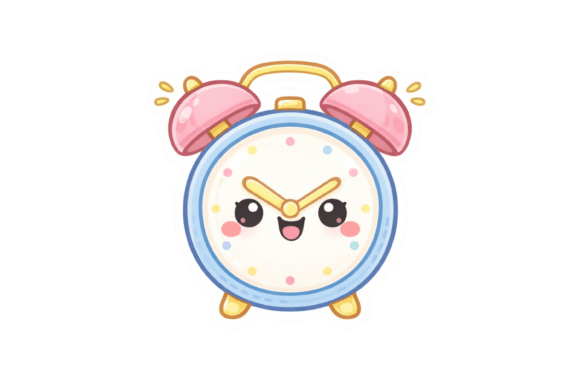
The term "kawaii," originating from Japanese culture, translates roughly to "cute" or "lovable." However, in modern design theory, it represents a specific aesthetic strategy that leverages soft colors, rounded shapes, and anthropomorphic features to evoke positive emotional responses. When applied to functional items—such as time-management tools—the kawaii style reduces anxiety and increases approachability. The Kawaii School Alarm Clock Sticker, featuring a smiling pastel clock with soft colors and rounded shapes, is not merely decorative; it is a psychological cue designed to make the concept of time feel friendly rather than rigid.
For creators targeting children, beginners, or individuals struggling with executive function, this shift in tone is significant. Traditional alarm clocks can symbolize pressure, deadlines, and stress. By contrast, a chibi-style clock with cheerful pastel tones signals safety, encouragement, and fun. This aligns with the growing market demand for mental-health-aware design, where tools are crafted to support well-being alongside functionality. Professionals in the ed-tech sector and digital planner markets are increasingly recognizing that aesthetics directly influence user retention and interaction rates.
Aligning with Modern Workflow and Lifestyle Trends
The rise of the "creator economy" and the widespread adoption of digital planning tools have created a robust market for high-quality, versatile digital assets. Users today expect seamless integration across platforms, whether they are using GoodNotes on an iPad, printing physical planners, or cutting vinyl for classroom decor. The technical specifications of the Kawaii School Alarm Clock Sticker—including its high-resolution PNG format, 300 DPI quality, and transparent background—are tailored to meet these exacting standards.
Technical Versatility as a Business Asset
For freelancers and small business owners, the ability to use a single asset across multiple mediums is a key efficiency driver. This sticker is engineered for flexibility:
- Digital Planning: The transparent background allows users to layer the sticker over any date or schedule in digital journals without visual clutter.
- Printable Materials: At 300 DPI, the artwork remains crisp when printed at various sizes, making it ideal for teacher planners, classroom schedules, and homeschool routine charts.
- Craft Projects: With smooth outlines, the design is optimized for use with cutting machines like Cricut and Silhouette, enabling entrepreneurs to create physical products such as stickers, t-shirts, or classroom decorations.
This multi-platform compatibility addresses a common pain point in the creative industry: the need for scalable, high-fidelity assets that reduce file management overhead while maximizing output potential.
Supporting Educational and Behavioral Goals
Education is undergoing a transformation focused on personalized learning and routine-building. For school beginners and young learners, establishing daily routines is a complex developmental task. Visual aids play a crucial role in scaffolding this learning process. The Kawaii School Alarm Clock Sticker fits seamlessly into systems designed to teach time management, morning routines, and classroom expectations.
Practical Applications in Classroom and Home Settings
Educators and parents are increasingly turning to visual trackers to help children internalize schedules. Consider the following scenarios where this asset adds tangible value:
- Morning Routine Charts: Placing the sticker next to steps like "brush teeth" or "eat breakfast" provides a cheerful reminder that reinforces independence without nagging.
- Classroom Schedules: Teachers can use the sticker to highlight transition times or special events, creating a visually cohesive environment that feels inviting to students.
- Homeschool Planners: For families managing structured learning at home, the sticker serves as a consistent visual anchor, helping to demystify the passage of time during study sessions.
By integrating such elements into educational materials, creators are not just selling graphics; they are providing solutions that facilitate habit formation and reduce cognitive load for both teachers and students.
The Market Shift Toward Approachable Design
Consumer preferences are shifting away from sterile, corporate aesthetics toward designs that feel human, warm, and inclusive. This trend is evident in the popularity of bullet journaling, digital planning apps, and social media communities centered around organization and creativity. The Kawaii School Alarm Clock Sticker exemplifies this shift by combining utility with charm. It appeals to a broad demographic, including:
- Teachers: Who seek to create engaging, non-intimidating classroom environments.
- Parents: Looking for gentle, effective tools to help children manage their days.
- Students: Who respond positively to designs that reflect their interests and personality.
- Designers: Who need reliable, aesthetically pleasing assets to complete client projects quickly.
This democratization of design means that even those without advanced graphic design skills can produce professional-looking materials by leveraging pre-made, high-quality assets. The instant digital download nature of the sticker further supports this trend, allowing for rapid prototyping and iteration.
Strategic Implementation for Creators
For professionals aiming to capitalize on these trends, strategic implementation is key. Simply adding a cute sticker is not enough; it must be integrated thoughtfully into the user journey. Here are some best practices for leveraging assets like the Kawaii School Alarm Clock Sticker:
Contextual Relevance
Ensure that the sticker is used in contexts where time awareness is central but needs to be softened. Overusing cute elements in serious academic content can undermine credibility, but using them strategically in routine-building or introductory materials enhances engagement. Balance is essential.
Consistency Across Platforms
Maintain a consistent visual identity across all touchpoints. If you are selling digital planners, ensure the sticker matches the color palette and style of other elements. Consistency builds brand recognition and trust.
Highlighting Benefits, Not Just Features
When marketing this asset, focus on the outcomes it enables. Instead of just listing "300 DPI" and "PNG format," emphasize how these features allow for crisp printing on classroom posters or seamless use in digital journals. Connect the technical details to the user's desired result: a more organized, less stressful day.
Looking Ahead: The Future of Functional Cute
As technology continues to integrate more deeply into our daily lives, the line between utility and aesthetics will continue to blur. We are likely to see a surge in "functional cute" design, where every interactive element—from buttons to icons to reminders—is crafted to evoke positivity. The Kawaii School Alarm Clock Sticker is a precursor to this broader movement, demonstrating that even the most mundane tasks can be elevated through thoughtful design.
For entrepreneurs and creators, staying ahead of this curve means embracing design principles that prioritize empathy, accessibility, and joy. By incorporating assets that resonate emotionally with users, you can differentiate your offerings in a crowded market. Whether you are designing for schools, homes, or businesses, the goal remains the same: to create experiences that are not only efficient but also enjoyable.
Conclusion
The Kawaii School Alarm Clock Sticker is more than just a digital image; it is a strategic tool that bridges the gap between functionality and emotional resonance. Its high-resolution quality, versatile format, and charming design make it an invaluable asset for educators, parents, and designers alike. As we move toward a future where design plays an increasingly central role in how we interact with information and manage our time, assets that combine beauty with purpose will become indispensable. By understanding and applying the principles behind such designs, professionals can create more engaging, effective, and human-centered products and services.