Meet Your Teacher Activities
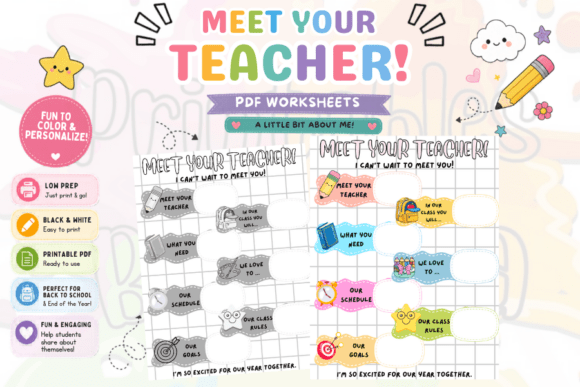
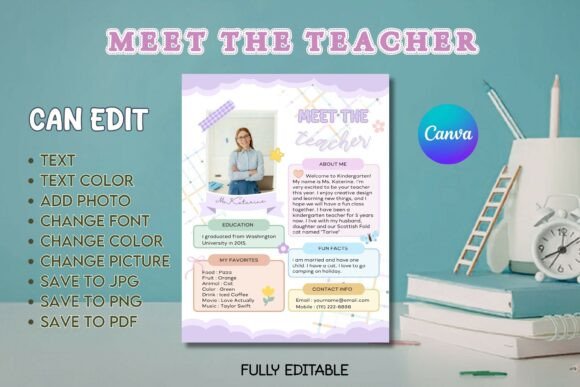
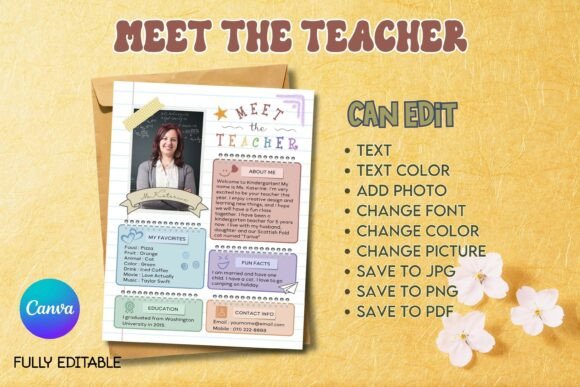
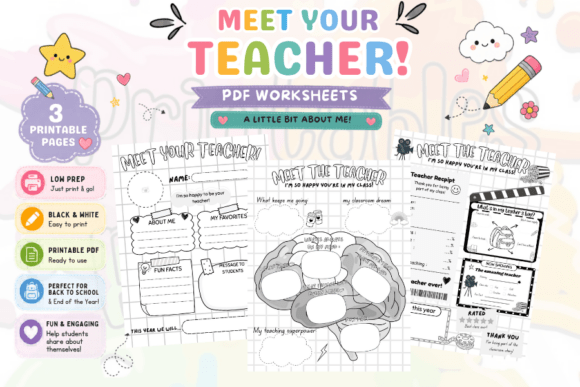
The first week of school is a delicate balance. Teachers are trying to establish routines, manage logistics, and set the tone for the year, while students are navigating new environments, meeting peers, and processing the shift from summer freedom back into structured learning. In this high-stakes atmosphere, Meet Your Teacher Activities serve as more than just busy work; they are strategic tools designed to humanize the educator and lower the anxiety barrier for young learners. These printable worksheets transform the traditional "introduction" into an interactive experience that builds immediate classroom community and positive relationships from day one.
Unlike standard syllabus reviews or passive listening sessions, these activities invite students to engage with their teacher’s personality, preferences, and expectations in a low-pressure format. Whether used during a pre-school orientation, the first morning of class, or even at a virtual Meet the Teacher night, these resources bridge the gap between authority figure and approachable mentor. For educators aiming to foster a welcoming culture, understanding how to leverage these tools effectively can significantly impact student comfort levels and engagement throughout the academic year.
Bridging the Gap on Day One
One of the most common challenges teachers face is the initial intimidation factor. To a kindergartener or a third grader, a teacher represents a significant amount of power and structure. By introducing Meet Your Teacher Activities, you immediately signal that there is room for fun, creativity, and personal connection within the classroom walls. These worksheets often include prompts about favorite hobbies, dream vacations, or silly facts, allowing students to see the person behind the podium.
Consider the scenario of a new teacher entering a room full of skeptical eyes. Instead of launching straight into rules and regulations, handing out a colorful worksheet that asks students to draw their favorite food or guess what animal the teacher would be if they were a zoo creature breaks the ice naturally. This simple act shifts the dynamic from interrogation to interaction. Students begin to share stories with each other while filling out their pages, creating instant peer connections based on shared interests discovered through the lens of their teacher’s profile.
Versatility Across Educational Settings
The beauty of these printable resources lies in their adaptability. They are not rigid scripts but flexible frameworks that can be molded to fit various educational contexts. For PreK and Kindergarten classrooms, where literacy skills may still be developing, the emphasis is often on drawing and coloring sections. A black-and-white PDF allows for easy printing without color ink costs, letting little ones express themselves visually before they can write complex sentences. This is particularly helpful for non-verbal students or those who are shy, providing an alternative channel for communication.
In contrast, for First through Third Grade students, the activities can incorporate more creative writing and reflection. Prompts might ask students to list three things they hope to learn or to write a short note to their teacher. This helps early elementary teachers gauge writing levels and interests right away, providing valuable data without the pressure of a formal assessment. Furthermore, these sheets double as excellent morning work or early finisher activities. If a student completes their regular tasks quickly, having a familiar, engaging "Meet Your Teacher" page nearby keeps them occupied with meaningful content rather than distracting others.
Supporting Diverse Learners and Homeschool Environments
While traditionally associated with public schools, these resources are increasingly popular in homeschool and special education settings. For homeschool parents managing multiple grade levels, these worksheets provide a structured yet flexible way to introduce curriculum topics like biography or descriptive writing using the parent-teacher as the subject matter. It adds a layer of professionalism and routine to home learning, helping children transition into "school mode."
For ESL (English as a Second Language) students and those with special needs, the visual nature of these worksheets is invaluable. The clear layouts and kid-friendly designs reduce cognitive load, making instructions easier to follow. Teachers can use the "Teacher Favorites" sections to teach vocabulary related to food, sports, or hobbies, turning a simple introduction into a language acquisition opportunity. Additionally, the predictable structure of the activity provides a sense of safety and routine, which is crucial for students who may feel overwhelmed by change.
Building a Lasting Classroom Culture
The impact of these activities extends beyond the first few days. Many teachers choose to display completed worksheets on bulletin boards, creating a visual tapestry of the class’s collective identity. This not only decorates the room but also validates each student’s contribution to the community. When students see their artwork and words displayed alongside their teacher’s, it reinforces the idea that everyone belongs. This practice supports classroom community building by celebrating individuality within a unified group.
Moreover, these worksheets serve as a reference point for future interactions. If a student mentions they love dinosaurs in their worksheet, a teacher can later reference this when assigning reading materials or offering praise. This attention to detail shows students that they are seen and heard, fostering trust. Over time, this trust translates into a safer environment for risk-taking in academics, as students feel comfortable enough to make mistakes knowing their teacher knows and accepts them personally.
Practical Considerations for Implementation
When incorporating Meet Your Teacher Activities into your routine, keep in mind that simplicity is key. The best resources are those that require minimal prep time, such as instant download PDFs in standard 8.5 x 11 inch sizes. This ensures that even on chaotic Monday mornings, you can print copies quickly without worrying about compatibility issues or complex formatting. Black-and-white designs are not only cost-effective but also encourage students to add their own color and creativity, making each sheet unique.
It is also important to consider the pacing. Don’t rush through the activity. Allow ample time for students to read the prompts, think about their answers, and decorate their pages. Use this time to circulate the room, chatting individually with students. This one-on-one interaction is where the real magic happens. You might discover a hidden talent, a concern, or a funny story that will define your relationship with that child for months to come.
Finally, remember that these activities are a two-way street. While students learn about you, you learn about them. Pay attention to what they choose to highlight. Do they focus on drawing? Are they verbose in their writing? Do they seem hesitant? These observations provide immediate insight into learning styles and personalities, allowing you to tailor your instruction from the very beginning. By prioritizing connection over compliance in these early moments, you lay a foundation of mutual respect and enthusiasm that will carry your class through the entire school year.